O2 Entertainment Germany – Digital Content Portal
O2 Entertainment Germany – Digital Content Portal
O2 Entertainment Germany – Digital Content Portal
O2 Entertainment Germany – Digital Content Portal
O2 Entertainment Germany – Digital Content Portal
O2 Entertainment Germany – Digital Content Portal
O2 Entertainment Germany – Digital Content Portal
O2 Entertainment Germany – Digital Content Portal
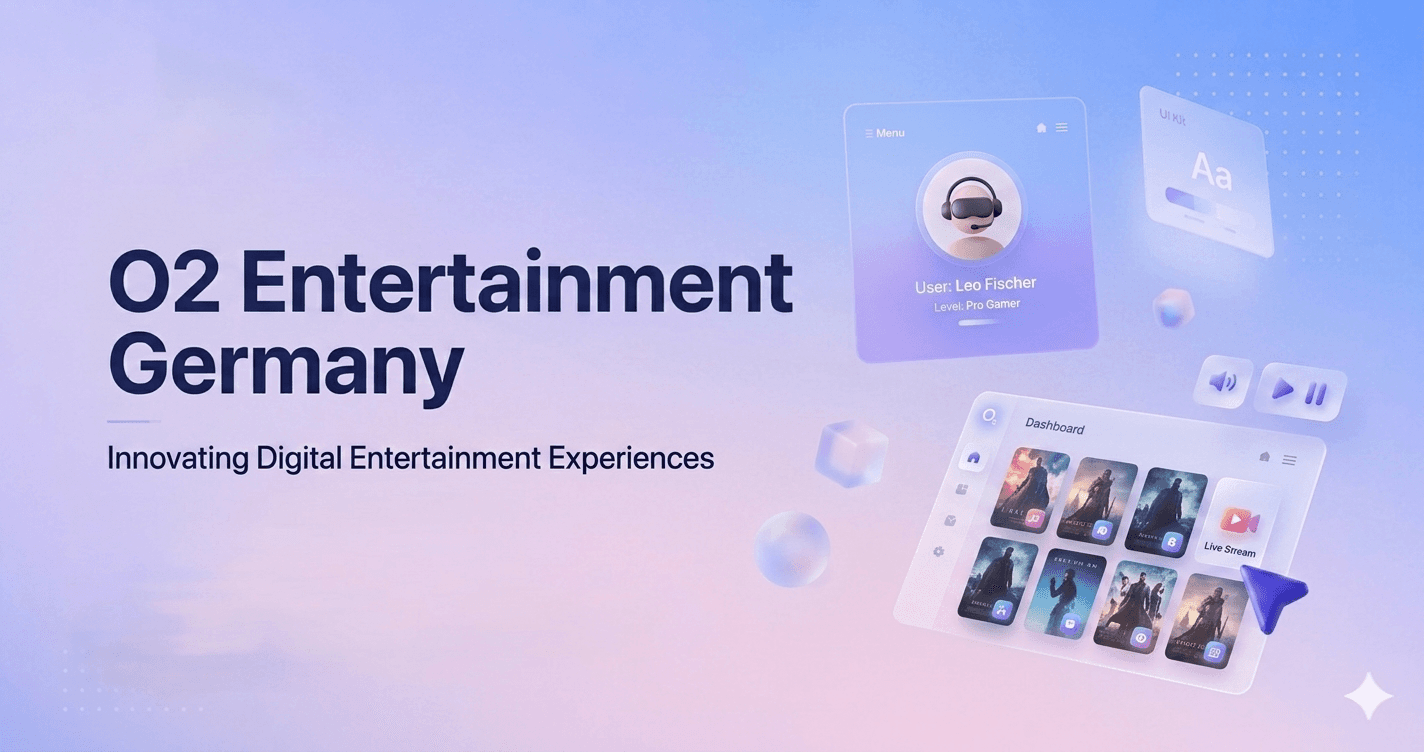
O2 Entertainment Germany – Digital Content Portal
O2 Entertainment Germany – Digital Content Portal
Client
O2 Entertainment Germany – Digital Content Portal
Year
2025
Category
Customer Loyalty Industry
Live Version
View Now
Problem
German users expect quality, transparency, and strong privacy. O2 needed a unified portal that supports German payment preferences, clear data control, and efficient content discovery across categories to drive adoption and ARPU.
Research & Insights
German market and cultural analysis
Competitive audits (local and global)
Payment behavior deep-dive (SEPA, cards, carrier billing)
GDPR expectations and trust drivers
70 user interviews across demographics
Personas: families, students, professionals, privacy-conscious users
Key insights: demand for clear data controls, efficient navigation with rich metadata, skepticism toward opaque personalization, and reliance on familiar German payment methods.
Design Approach
Discovery-led with German-specific validation
IA for multi-category browsing and fast findability
Privacy-by-design patterns and transparent consent flows
Journey mapping for browse, discover, consume, purchase
Cross-platform design system
Wireframes to high-fidelity prototypes
Usability testing (n=45) and iterative refinement
Solution
A German-language portal with a controllable personalized home feed, robust privacy dashboards, localized curation, and frictionless German payments. Transparent data usage and parental controls underpin trust and safety.
Key Features
Unified personalized home across categories with opt-in signals
GDPR-compliant consent and granular privacy controls
High-quality German localization and microcopy
SEPA, German cards, and carrier billing integration
Rich detail pages with ratings and editorial curation
Downloads and offline playback
German customer support and parental controls
Design System & Accessibility
O2 brand adapted to German aesthetics: clean, efficient, restrained motion
Consistent navigation across web, Android, iOS
German typography rules (legibility, hyphenation, truncation)
Privacy-first components (consent banners, dashboards, data export)
WCAG
2.1 AA: screen reader support, high contrast, keyboard navigation
Metrics & Impact
Increased ARPU and MAUs in Germany
High adoption of SEPA and carrier billing
Elevated trust scores and privacy satisfaction
Positive feedback on localization quality
Lower churn vs. competitors
Challenges
Going beyond GDPR minimums to meet cultural expectations
SEPA mandate flows and edge cases
Balancing personalization with data minimization
High bar for localization and editorial quality
Coordinating complex stakeholder and technical constraints
Outcomes & Learnings
Privacy differentiated and converted. Investing in German-specific payments and language quality reduced friction and churn. Transparent controls improved acceptance of personalization without compromising trust.
User Behavior Observations
GDPR is table stakes; users expect transparent, granular controls.
High-quality German localization directly increased trust and usage.
Preferred payments: SEPA and German-issued cards.
Detailed content metadata and ratings drove decisions.
Efficiency over feature density; clear navigation preferred.
Parental controls and offline access valued by families.
Market & Context
High bar for privacy and quality; strict enforcement and norms.
Competitive landscape (local and international).
SEPA is complex but critical; local language/culture essential.
Users pay for quality when trust is established.
Compliance necessary but not a differentiator.
Design Pattern Discoveries
Prominent privacy controls and dashboards reduced anxiety and boosted personalization opt-ins.
Native German payments, especially SEPA, reduced checkout friction.
High-quality localization improved credibility and conversion.
Detailed metadata improved discovery; efficient nav increased satisfaction.
Opt-in consent flows outperformed opt-out; parental controls boosted household adoption.
Technical Constraints
Complex GDPR across web and native; cross-platform sync of controls.
SEPA and local payment integrations.
Data minimization constrained personalization.
Performance impact of privacy features.
German typographic and encoding requirements.
Team & Research
Legal–engineering privacy workshops were critical.
PMs aligned on privacy-first roadmap; partnerships with German payment providers.
70 interviews,45 usability tests validated privacy/localization needs.
Surprising Findings
Privacy controls increased personalization engagement.
Transparency valued over feature breadth.
SEPA complexity yielded strong market fit.
Localization quality outweighed content breadth.
Families adopted due to parental controls.
Users traded convenience for privacy.
Patterns That Emerged
Privacy builds trust; trust drives engagement.
Transparency is a core product feature.
Quality over speed resonates.
Cultural expectations exceed legal minimums.
Local payments and localization signal credibility.
Privacy-by-design enables better personalization.
What Worked / Didn’t
Worked: Prominent privacy controls/dashboards, SEPA, high-quality localization, detailed metadata, opt-in consent, parental controls.
Didn’t: Late legal involvement, generic international approach, assuming privacy reduces engagement.
Observed Impact
Increased ARPU and MAU; lower churn than competitors.
High adoption of German payment methods.
Higher trust scores; strong localization feedback.
Privacy features became a marketable differentiator.
Personal Design Enhancement Journey
Role and Starting Point
I led a team of three designers for the German market. I was confident with entertainment portal patterns but inexperienced with Germany’s high bar for privacy and quality. GDPR’s complexity and cultural expectations for transparency and localization were underestimated.
Key Challenges
Meeting privacy expectations beyond basic GDPR compliance required rigorous transparency and user control. German preferences for quality and clarity shaped content, interactions, and localization. Integrating SEPA and local payment flows added complexity. Personalization had to be balanced with privacy. Managing designers across categories demanded a privacy-first approach without slowing delivery.
Critical Decisions and Trade-offs
Made privacy controls prominent, favoring transparency over simplicity
Integrated SEPA despite complexity to meet local norms
Chose opt-in personalization to respect consent and build trust
Prioritized localization quality over speed to market
Balanced curated content with algorithmic recommendations, with clear explanations
Ensured cross-platform privacy consistency, even when native patterns differed
Collaboration and Leadership
I conducted 70 user interviews on privacy expectations and ran privacy workshops with legal and engineering. I aligned two PMs on a privacy-first roadmap, mentored three designers on privacy patterns, and coordinated with five engineers on GDPR implementation. We ran 45 usability tests to validate privacy controls and built relationships with German payment providers.
Skills Developed
I adopted privacy-by-design, implemented GDPR beyond compliance, and deepened cultural understanding of German expectations. I learned SEPA and local payment systems, strengthened leadership in a privacy-first context, raised localization quality standards, and managed stakeholders around privacy requirements.
Outcomes
We delivered a privacy-forward experience that improved trust and acceptance of personalization. Payment flows met local expectations, and localization quality increased engagement. Cross-platform consistency reduced confusion and support issues.
What I’d Do Differently
Involve legal earlier, establish a privacy pattern library from the start, immerse in the German market sooner, research SEPA edge cases upfront, and define a clearer framework for personalization vs. privacy trade-offs.
How My Approach Changed
Privacy became a feature, not a constraint. Transparency drives engagement. Cultural expectations shape product priorities. Systems thinking is essential for privacy at scale.
Key Takeaways
German users value privacy as much as functionality. Transparency builds adoption. Quality localization is non-negotiable. GDPR compliance is a baseline. Privacy-by-design requires cross-functional collaboration. The German market rewards quality over speed.
More Works More Works
Problem
German users expect quality, transparency, and strong privacy. O2 needed a unified portal that supports German payment preferences, clear data control, and efficient content discovery across categories to drive adoption and ARPU.
Research & Insights
German market and cultural analysis
Competitive audits (local and global)
Payment behavior deep-dive (SEPA, cards, carrier billing)
GDPR expectations and trust drivers
70 user interviews across demographics
Personas: families, students, professionals, privacy-conscious users
Key insights: demand for clear data controls, efficient navigation with rich metadata, skepticism toward opaque personalization, and reliance on familiar German payment methods.
Design Approach
Discovery-led with German-specific validation
IA for multi-category browsing and fast findability
Privacy-by-design patterns and transparent consent flows
Journey mapping for browse, discover, consume, purchase
Cross-platform design system
Wireframes to high-fidelity prototypes
Usability testing (n=45) and iterative refinement
Solution
A German-language portal with a controllable personalized home feed, robust privacy dashboards, localized curation, and frictionless German payments. Transparent data usage and parental controls underpin trust and safety.
Key Features
Unified personalized home across categories with opt-in signals
GDPR-compliant consent and granular privacy controls
High-quality German localization and microcopy
SEPA, German cards, and carrier billing integration
Rich detail pages with ratings and editorial curation
Downloads and offline playback
German customer support and parental controls
Design System & Accessibility
O2 brand adapted to German aesthetics: clean, efficient, restrained motion
Consistent navigation across web, Android, iOS
German typography rules (legibility, hyphenation, truncation)
Privacy-first components (consent banners, dashboards, data export)
WCAG
2.1 AA: screen reader support, high contrast, keyboard navigation
Metrics & Impact
Increased ARPU and MAUs in Germany
High adoption of SEPA and carrier billing
Elevated trust scores and privacy satisfaction
Positive feedback on localization quality
Lower churn vs. competitors
Challenges
Going beyond GDPR minimums to meet cultural expectations
SEPA mandate flows and edge cases
Balancing personalization with data minimization
High bar for localization and editorial quality
Coordinating complex stakeholder and technical constraints
Outcomes & Learnings
Privacy differentiated and converted. Investing in German-specific payments and language quality reduced friction and churn. Transparent controls improved acceptance of personalization without compromising trust.
User Behavior Observations
GDPR is table stakes; users expect transparent, granular controls.
High-quality German localization directly increased trust and usage.
Preferred payments: SEPA and German-issued cards.
Detailed content metadata and ratings drove decisions.
Efficiency over feature density; clear navigation preferred.
Parental controls and offline access valued by families.
Market & Context
High bar for privacy and quality; strict enforcement and norms.
Competitive landscape (local and international).
SEPA is complex but critical; local language/culture essential.
Users pay for quality when trust is established.
Compliance necessary but not a differentiator.
Design Pattern Discoveries
Prominent privacy controls and dashboards reduced anxiety and boosted personalization opt-ins.
Native German payments, especially SEPA, reduced checkout friction.
High-quality localization improved credibility and conversion.
Detailed metadata improved discovery; efficient nav increased satisfaction.
Opt-in consent flows outperformed opt-out; parental controls boosted household adoption.
Technical Constraints
Complex GDPR across web and native; cross-platform sync of controls.
SEPA and local payment integrations.
Data minimization constrained personalization.
Performance impact of privacy features.
German typographic and encoding requirements.
Team & Research
Legal–engineering privacy workshops were critical.
PMs aligned on privacy-first roadmap; partnerships with German payment providers.
70 interviews,45 usability tests validated privacy/localization needs.
Surprising Findings
Privacy controls increased personalization engagement.
Transparency valued over feature breadth.
SEPA complexity yielded strong market fit.
Localization quality outweighed content breadth.
Families adopted due to parental controls.
Users traded convenience for privacy.
Patterns That Emerged
Privacy builds trust; trust drives engagement.
Transparency is a core product feature.
Quality over speed resonates.
Cultural expectations exceed legal minimums.
Local payments and localization signal credibility.
Privacy-by-design enables better personalization.
What Worked / Didn’t
Worked: Prominent privacy controls/dashboards, SEPA, high-quality localization, detailed metadata, opt-in consent, parental controls.
Didn’t: Late legal involvement, generic international approach, assuming privacy reduces engagement.
Observed Impact
Increased ARPU and MAU; lower churn than competitors.
High adoption of German payment methods.
Higher trust scores; strong localization feedback.
Privacy features became a marketable differentiator.
Personal Design Enhancement Journey
Role and Starting Point
I led a team of three designers for the German market. I was confident with entertainment portal patterns but inexperienced with Germany’s high bar for privacy and quality. GDPR’s complexity and cultural expectations for transparency and localization were underestimated.
Key Challenges
Meeting privacy expectations beyond basic GDPR compliance required rigorous transparency and user control. German preferences for quality and clarity shaped content, interactions, and localization. Integrating SEPA and local payment flows added complexity. Personalization had to be balanced with privacy. Managing designers across categories demanded a privacy-first approach without slowing delivery.
Critical Decisions and Trade-offs
Made privacy controls prominent, favoring transparency over simplicity
Integrated SEPA despite complexity to meet local norms
Chose opt-in personalization to respect consent and build trust
Prioritized localization quality over speed to market
Balanced curated content with algorithmic recommendations, with clear explanations
Ensured cross-platform privacy consistency, even when native patterns differed
Collaboration and Leadership
I conducted 70 user interviews on privacy expectations and ran privacy workshops with legal and engineering. I aligned two PMs on a privacy-first roadmap, mentored three designers on privacy patterns, and coordinated with five engineers on GDPR implementation. We ran 45 usability tests to validate privacy controls and built relationships with German payment providers.
Skills Developed
I adopted privacy-by-design, implemented GDPR beyond compliance, and deepened cultural understanding of German expectations. I learned SEPA and local payment systems, strengthened leadership in a privacy-first context, raised localization quality standards, and managed stakeholders around privacy requirements.
Outcomes
We delivered a privacy-forward experience that improved trust and acceptance of personalization. Payment flows met local expectations, and localization quality increased engagement. Cross-platform consistency reduced confusion and support issues.
What I’d Do Differently
Involve legal earlier, establish a privacy pattern library from the start, immerse in the German market sooner, research SEPA edge cases upfront, and define a clearer framework for personalization vs. privacy trade-offs.
How My Approach Changed
Privacy became a feature, not a constraint. Transparency drives engagement. Cultural expectations shape product priorities. Systems thinking is essential for privacy at scale.
Key Takeaways
German users value privacy as much as functionality. Transparency builds adoption. Quality localization is non-negotiable. GDPR compliance is a baseline. Privacy-by-design requires cross-functional collaboration. The German market rewards quality over speed.
More Works SEE ALSO
Problem
German users expect quality, transparency, and strong privacy. O2 needed a unified portal that supports German payment preferences, clear data control, and efficient content discovery across categories to drive adoption and ARPU.
Research & Insights
German market and cultural analysis
Competitive audits (local and global)
Payment behavior deep-dive (SEPA, cards, carrier billing)
GDPR expectations and trust drivers
70 user interviews across demographics
Personas: families, students, professionals, privacy-conscious users
Key insights: demand for clear data controls, efficient navigation with rich metadata, skepticism toward opaque personalization, and reliance on familiar German payment methods.
Design Approach
Discovery-led with German-specific validation
IA for multi-category browsing and fast findability
Privacy-by-design patterns and transparent consent flows
Journey mapping for browse, discover, consume, purchase
Cross-platform design system
Wireframes to high-fidelity prototypes
Usability testing (n=45) and iterative refinement
Solution
A German-language portal with a controllable personalized home feed, robust privacy dashboards, localized curation, and frictionless German payments. Transparent data usage and parental controls underpin trust and safety.
Key Features
Unified personalized home across categories with opt-in signals
GDPR-compliant consent and granular privacy controls
High-quality German localization and microcopy
SEPA, German cards, and carrier billing integration
Rich detail pages with ratings and editorial curation
Downloads and offline playback
German customer support and parental controls
Design System & Accessibility
O2 brand adapted to German aesthetics: clean, efficient, restrained motion
Consistent navigation across web, Android, iOS
German typography rules (legibility, hyphenation, truncation)
Privacy-first components (consent banners, dashboards, data export)
WCAG
2.1 AA: screen reader support, high contrast, keyboard navigation
Metrics & Impact
Increased ARPU and MAUs in Germany
High adoption of SEPA and carrier billing
Elevated trust scores and privacy satisfaction
Positive feedback on localization quality
Lower churn vs. competitors
Challenges
Going beyond GDPR minimums to meet cultural expectations
SEPA mandate flows and edge cases
Balancing personalization with data minimization
High bar for localization and editorial quality
Coordinating complex stakeholder and technical constraints
Outcomes & Learnings
Privacy differentiated and converted. Investing in German-specific payments and language quality reduced friction and churn. Transparent controls improved acceptance of personalization without compromising trust.
User Behavior Observations
GDPR is table stakes; users expect transparent, granular controls.
High-quality German localization directly increased trust and usage.
Preferred payments: SEPA and German-issued cards.
Detailed content metadata and ratings drove decisions.
Efficiency over feature density; clear navigation preferred.
Parental controls and offline access valued by families.
Market & Context
High bar for privacy and quality; strict enforcement and norms.
Competitive landscape (local and international).
SEPA is complex but critical; local language/culture essential.
Users pay for quality when trust is established.
Compliance necessary but not a differentiator.
Design Pattern Discoveries
Prominent privacy controls and dashboards reduced anxiety and boosted personalization opt-ins.
Native German payments, especially SEPA, reduced checkout friction.
High-quality localization improved credibility and conversion.
Detailed metadata improved discovery; efficient nav increased satisfaction.
Opt-in consent flows outperformed opt-out; parental controls boosted household adoption.
Technical Constraints
Complex GDPR across web and native; cross-platform sync of controls.
SEPA and local payment integrations.
Data minimization constrained personalization.
Performance impact of privacy features.
German typographic and encoding requirements.
Team & Research
Legal–engineering privacy workshops were critical.
PMs aligned on privacy-first roadmap; partnerships with German payment providers.
70 interviews,45 usability tests validated privacy/localization needs.
Surprising Findings
Privacy controls increased personalization engagement.
Transparency valued over feature breadth.
SEPA complexity yielded strong market fit.
Localization quality outweighed content breadth.
Families adopted due to parental controls.
Users traded convenience for privacy.
Patterns That Emerged
Privacy builds trust; trust drives engagement.
Transparency is a core product feature.
Quality over speed resonates.
Cultural expectations exceed legal minimums.
Local payments and localization signal credibility.
Privacy-by-design enables better personalization.
What Worked / Didn’t
Worked: Prominent privacy controls/dashboards, SEPA, high-quality localization, detailed metadata, opt-in consent, parental controls.
Didn’t: Late legal involvement, generic international approach, assuming privacy reduces engagement.
Observed Impact
Increased ARPU and MAU; lower churn than competitors.
High adoption of German payment methods.
Higher trust scores; strong localization feedback.
Privacy features became a marketable differentiator.
Personal Design Enhancement Journey
Role and Starting Point
I led a team of three designers for the German market. I was confident with entertainment portal patterns but inexperienced with Germany’s high bar for privacy and quality. GDPR’s complexity and cultural expectations for transparency and localization were underestimated.
Key Challenges
Meeting privacy expectations beyond basic GDPR compliance required rigorous transparency and user control. German preferences for quality and clarity shaped content, interactions, and localization. Integrating SEPA and local payment flows added complexity. Personalization had to be balanced with privacy. Managing designers across categories demanded a privacy-first approach without slowing delivery.
Critical Decisions and Trade-offs
Made privacy controls prominent, favoring transparency over simplicity
Integrated SEPA despite complexity to meet local norms
Chose opt-in personalization to respect consent and build trust
Prioritized localization quality over speed to market
Balanced curated content with algorithmic recommendations, with clear explanations
Ensured cross-platform privacy consistency, even when native patterns differed
Collaboration and Leadership
I conducted 70 user interviews on privacy expectations and ran privacy workshops with legal and engineering. I aligned two PMs on a privacy-first roadmap, mentored three designers on privacy patterns, and coordinated with five engineers on GDPR implementation. We ran 45 usability tests to validate privacy controls and built relationships with German payment providers.
Skills Developed
I adopted privacy-by-design, implemented GDPR beyond compliance, and deepened cultural understanding of German expectations. I learned SEPA and local payment systems, strengthened leadership in a privacy-first context, raised localization quality standards, and managed stakeholders around privacy requirements.
Outcomes
We delivered a privacy-forward experience that improved trust and acceptance of personalization. Payment flows met local expectations, and localization quality increased engagement. Cross-platform consistency reduced confusion and support issues.
What I’d Do Differently
Involve legal earlier, establish a privacy pattern library from the start, immerse in the German market sooner, research SEPA edge cases upfront, and define a clearer framework for personalization vs. privacy trade-offs.
How My Approach Changed
Privacy became a feature, not a constraint. Transparency drives engagement. Cultural expectations shape product priorities. Systems thinking is essential for privacy at scale.
Key Takeaways
German users value privacy as much as functionality. Transparency builds adoption. Quality localization is non-negotiable. GDPR compliance is a baseline. Privacy-by-design requires cross-functional collaboration. The German market rewards quality over speed.
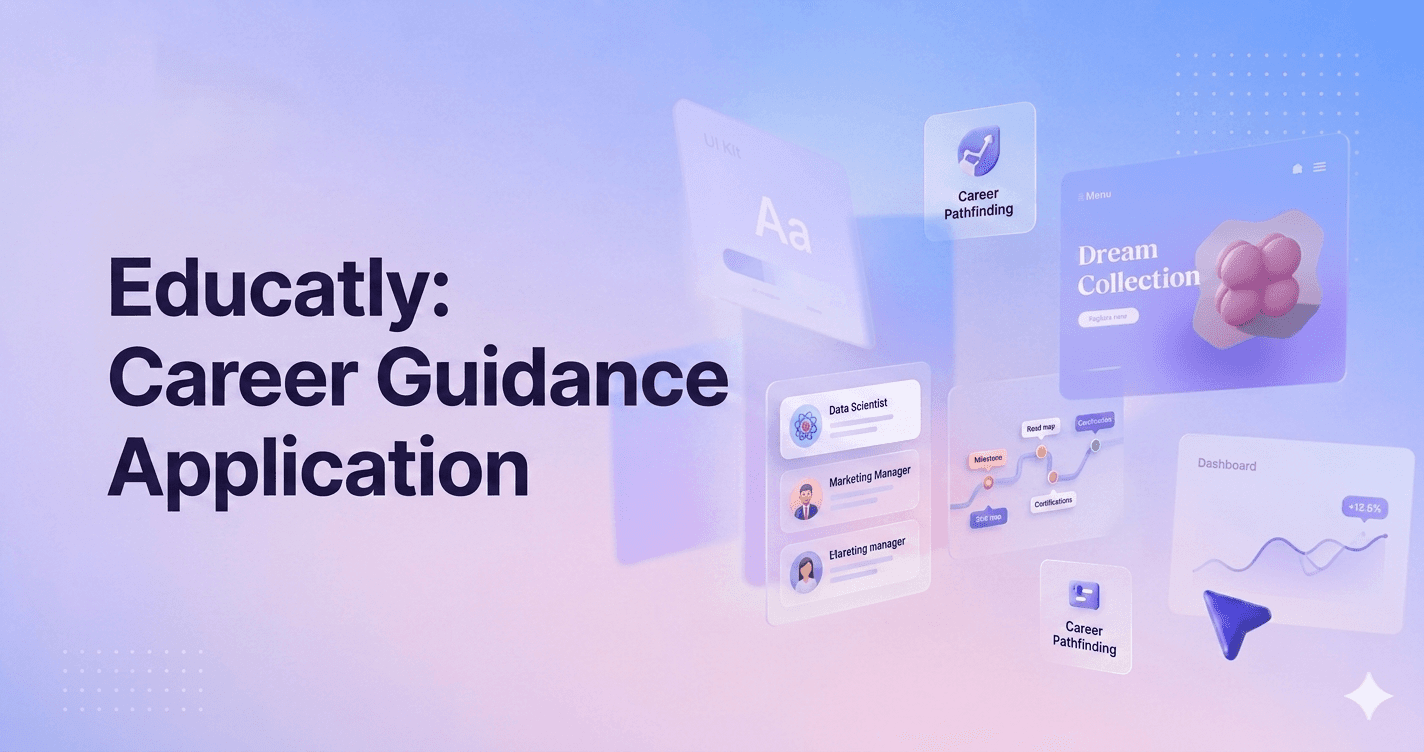
Educatly : Career Guidance Application
///Education And Career Industry

Vodacom V‑Live (South Africa)
///Telecomunications Industry
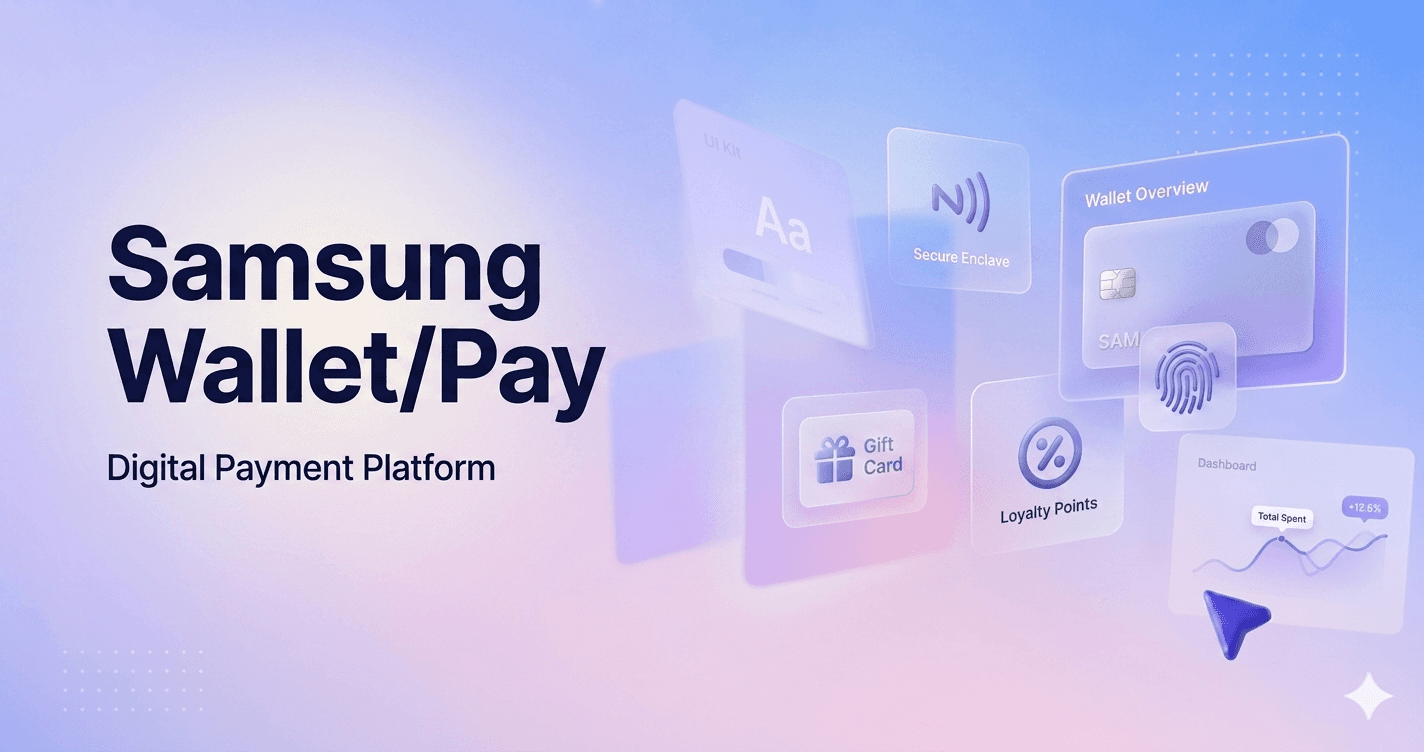
Samsung Wallet/Pay – Digital Payment Platform
///Fintech Industry

Orange Corner Games – Mobile Gaming Portal for Romania
///Entertaiment Industry

Orange Juegos — Mobile Gaming Portal (Spain)
///Gaming Industry
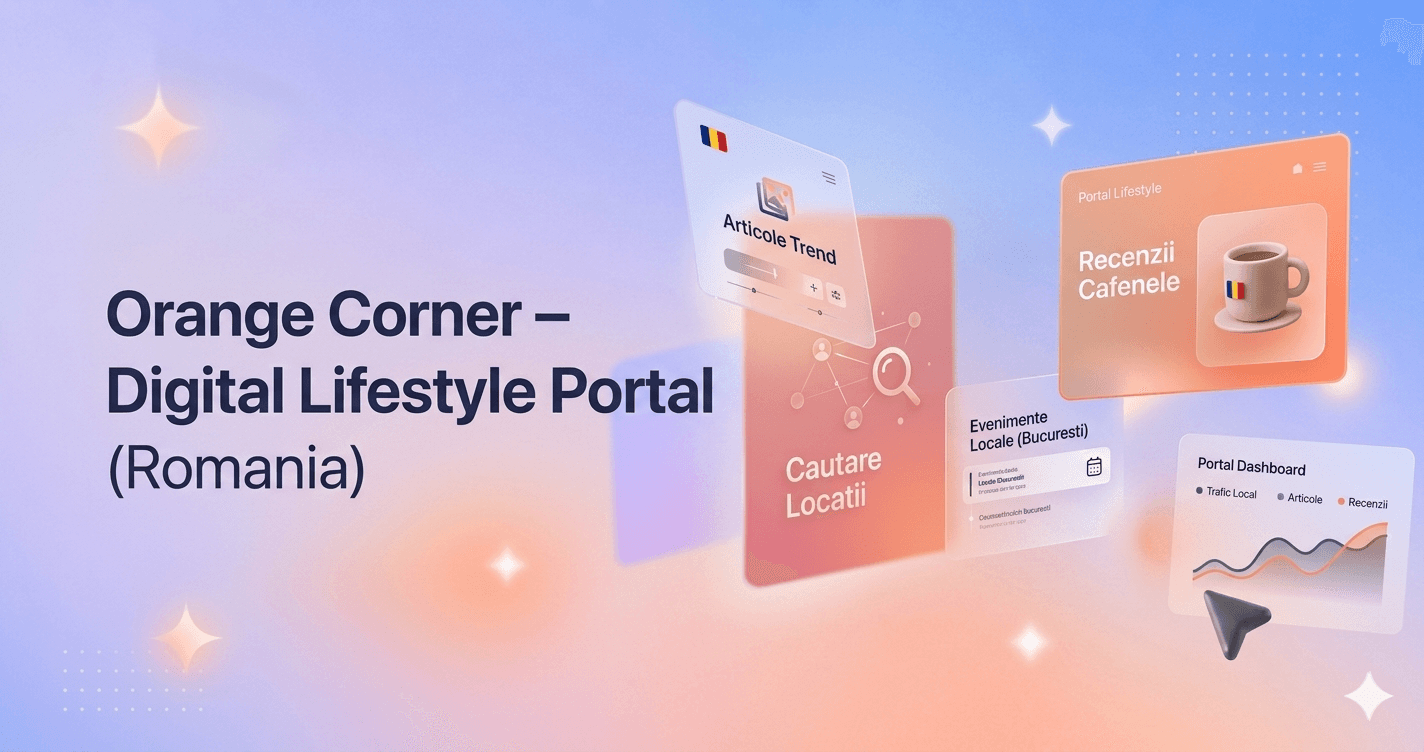
Orange Corner – Digital Lifestyle Portal (Romania)
///Lifestyle Industry
Want to keep your special version of my world ?
Click the button below
Frequently
Frequently
Frequently
Asked Questions
Asked Question
Asked Questions
What’s your design philosophy?
What’s it like working with you?
How do you approach design research and testing?
What types of projects or industries do you focus on?
How do you measure the success of a design?
How can I get in touch with you to explore a collaboration?
What’s your design philosophy?
What’s it like working with you?
How do you approach design research and testing?
What types of projects or industries do you focus on?
How do you measure the success of a design?
How can I get in touch with you to explore a collaboration?
What’s your design philosophy?
What’s it like working with you?
How do you approach design research and testing?
What types of projects or industries do you focus on?
How do you measure the success of a design?
How can I get in touch with you to explore a collaboration?
Want to keep your special version of my world ?
Click the button below
Let'S WORK
Let'S WORK
Let'S WORK
Let'S WORK
TOGETHER
TOGETHER
TOGETHER
TOGETHER